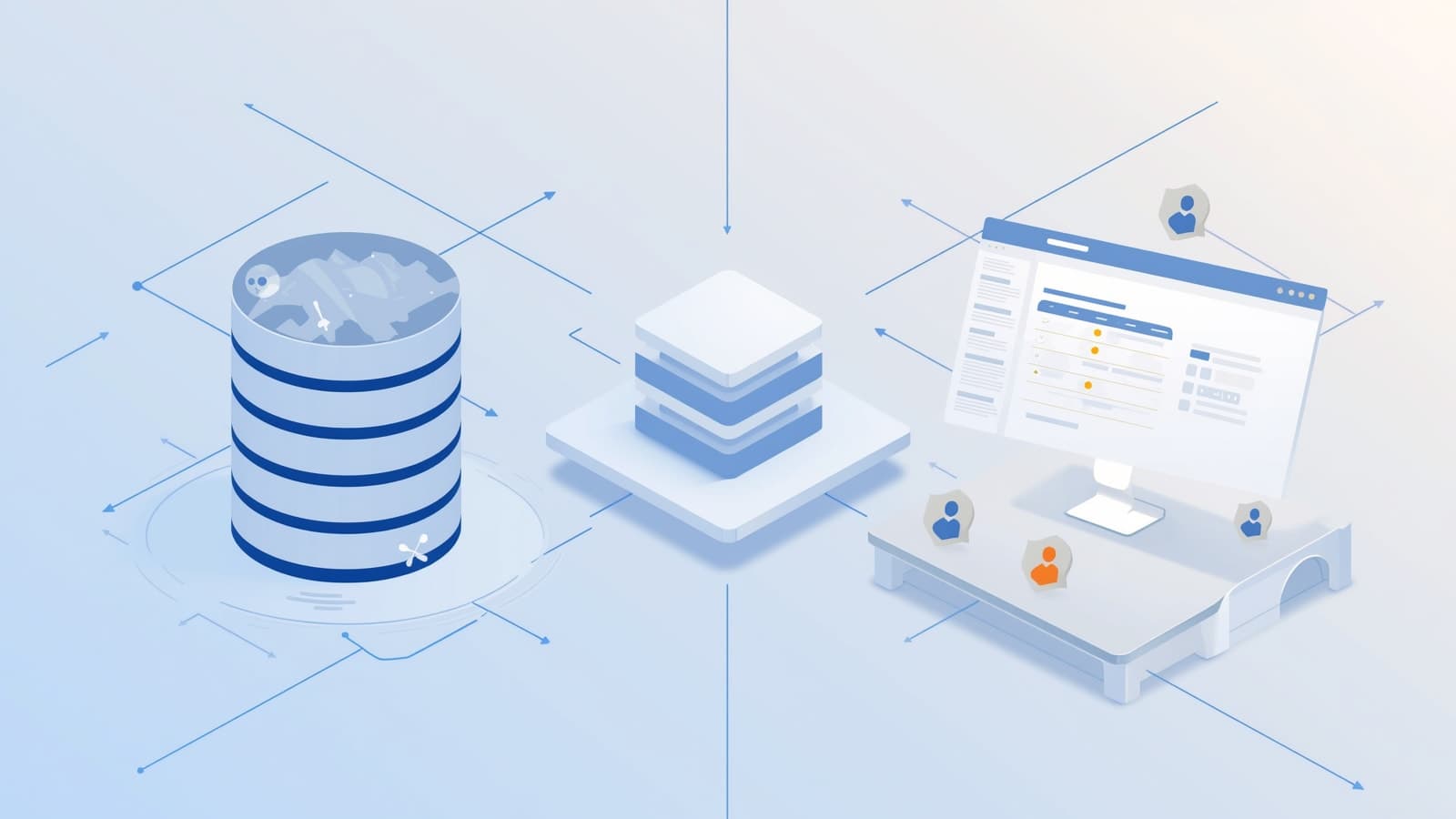
Technical teams often reach for a database when spreadsheets fail. That can be correct for products with engineering capacity, but many operations leaders need something in between: structured data, controlled edits, and fast iteration without schema migration ceremonies.
What a general-purpose database optimizes for
- Custom applications with engineering ownership.
- Complex relational models and transactional guarantees at scale.
- Deep integration into proprietary backends.
What business ops usually needs instead
- A governed table that managers can evolve weekly.
- Clear permissions and safe bulk operations.
- Operational reporting that leadership trusts.
Where DataGridly fits
DataGridly targets the operational layer where the primary users are not developers: service desks, field coordination, onboarding pipelines, and internal execution tracking. You keep relational thinking where it matters, but you avoid forcing every change through a development backlog.
When you should still choose a custom database
Ultra-high scale transactional systems, regulated industries with strict bespoke controls, or products that are themselves software platforms may still warrant a dedicated engineering stack.
Practical takeaway
If your bottleneck is “we need reliable operational data and automations,” start with a system that matches operator skills. If your bottleneck is “we are building a product surface for thousands of tenants,” invest in a database-first architecture.